Think of a debit card as one of your money’s fastest route from A to B.
It moves almost instantly, keeps things transparent, and works wherever life takes you—from morning coffee to monthly bills. You’re always spending your own balance, never waiting or worrying about what comes later. And here’s where it gets interesting: Phantom’s debit card takes that simplicity a step further. You can hold, send, and spend stablecoins seamlessly, all in one place.
Keep reading to explore everything about debit cards and see how you can get started with your own Phantom debit card today.
What a debit card is and how it works
A debit card is linked directly to your checking or savings account.
You don’t borrow money, so you never get a monthly bill like with a credit card. Instead, the purchase or ATM withdrawal is deducted right away, and you only spend what you already have (unless you have an optional overdraft).
In short, a debit card is a convenient way to carry your bank account in your wallet—it replaces cash and checks with an easy “tap or swipe” option that pays with your money.
Why almost everyone needs a debit card
You likely need a debit card for everyday life.
Most stores, restaurants, and online merchants accept debit cards, so having one lets you buy groceries, clothes, or movie tickets quickly.
You can even add your debit card to a phone wallet (Apple Pay, Google Pay, etc.) or use it for automatic recurring payments. Without a card, you’d have to carry a lot of cash or rely only on credit, which can be less convenient and harder to manage.
Debit cards vs. credit cards: Key differences
At first glance, debit and credit cards look almost identical. But how they work couldn’t be more different.
A debit card pulls money directly from your bank account every time you spend. You’re using your own funds, so there’s no borrowing or monthly bill. In contrast, a credit card lets you borrow money from a lender up to a certain limit, which you then repay later—either in full each month or over time with added interest.
So the biggest difference lies in control and cost. With a debit card, you can only spend what’s in your account, which helps prevent debt. Credit cards, on the other hand, offer flexibility and can help in emergencies or when large purchases are needed, but they can also lead to interest charges and long-term debt if not managed carefully.
Another key distinction is how they affect your credit score. Debit cards don’t build credit because transactions aren’t reported to credit bureaus. Credit cards, however, can boost your credit score if you pay on time and keep balances low—but missed payments or high debt can hurt it just as easily.
Finally, both offer fraud protection, but credit cards often provide stronger safeguards and better dispute resolution for unauthorized charges. Still, debit cards are great for everyday spending and budgeting since you’re always using your own money.
In short: debit cards keep you disciplined, while credit cards, if used wisely, can expand your financial flexibility and help you build credit over time.
Common barriers to getting a debit card
- Age requirements: You usually must be an adult (18 or older) to open your own bank account and get a debit card. If you’re younger, most banks require a parent or guardian to be a co-owner on the account.
- Identification and proof of address: To open a bank account (and get a debit card), you must prove who you are and where you live. Banks almost always require a government photo ID (such as a driver’s license, passport, or state ID) and proof of address (like a utility bill or lease).
- Social Security Number or equivalent: In the U.S. and some other countries, banks usually require a Social Security number (SSN) or similar tax ID to open an account. If you don’t have an SSN, it can be hard to qualify. This can be a big barrier for recent immigrants, international students, or undocumented people.
- Banking history checks: Many banks run a background check of your past bank accounts. If you have overdrawn accounts, unpaid fees, or other negative marks, a bank might reject you. Some banks offer “second chance” or “fresh start” accounts for people with past problems, but those accounts often have extra fees or restrictions.
- Minimum deposit and fees: Some banks require you to deposit money right away or maintain a minimum balance to open or keep the account. If you can’t meet these amounts, the bank may deny your application or charge you fees.
- Location and technology issues: In some areas, practical issues make it harder. If you live in a very rural area without nearby bank branches or ATMs, you might struggle to open or use an account and card.
In summary, while debit cards are very useful, obtaining one requires meeting several requirements: age, identification, residency, banking history, and deposit rules. Many people face at least one of these hurdles. Understanding these common barriers can help you prepare (or find alternative options) when trying to get a debit card.
Phantom Cash: Debit cards powered by crypto
Phantom Cash lets you use your crypto for everyday spending.
It builds on what you already do in Phantom—holding, swapping, and sending—and adds new ways to make your money work harder and faster.
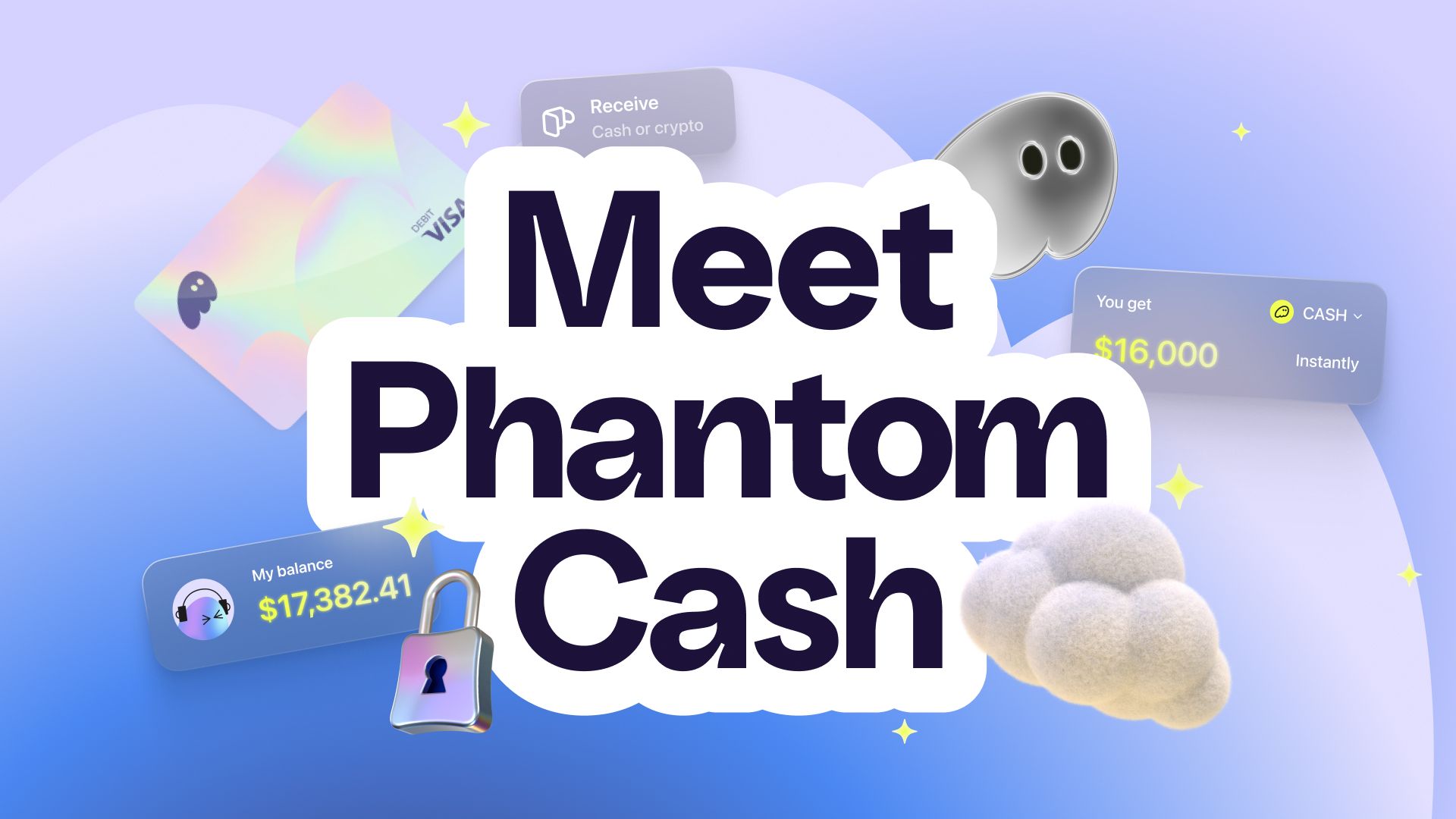
Phantom Cash also gives you access to a debit card from Visa, so you can use your Phantom balance anywhere Visa is accepted. Initially, the Visa debit card will be available as a virtual card, so you can easily add it to Apple Pay or Google Pay and use it for all your purchases.
Head over to our dedicated page to discover more about Phantom Cash.
FAQs
Disclaimer
The Prepaid Debit Visa Card (the “Card”) is issued by Lead Bank pursuant to licensing by Visa U.S.A. Inc. and may be used everywhere Visa is accepted. Must be 18 or older to apply. Fees may apply. See Cardholder Agreement and Phantom Technologies, Inc.’s (”Phantom”) website for more details.
Bridge Ventures LLC (“Bridge”) is not a bank. Bridge is a financial technology company and is the Program Manager responsible for managing and operating the Card on behalf of Lead Bank. Phantom is not a bank. Phantom is a financial technology company and is the Platform Provider responsible for the application, access, and management of/for the card.
Funds on the Card are not FDIC insured.
Nothing in this post should be construed as financial advice and is intended to be for informational purposes only.